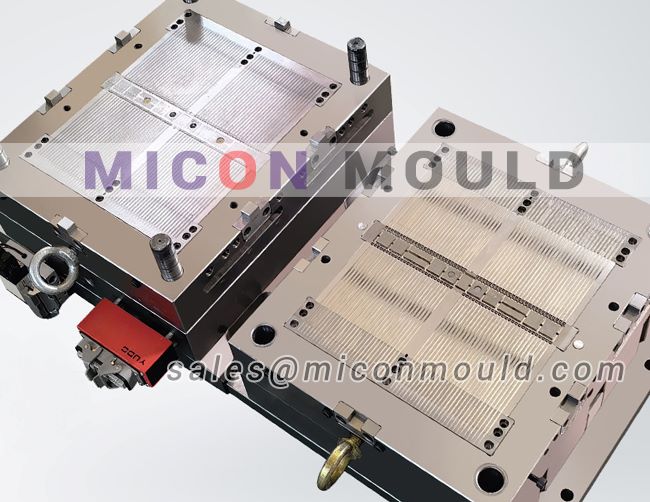
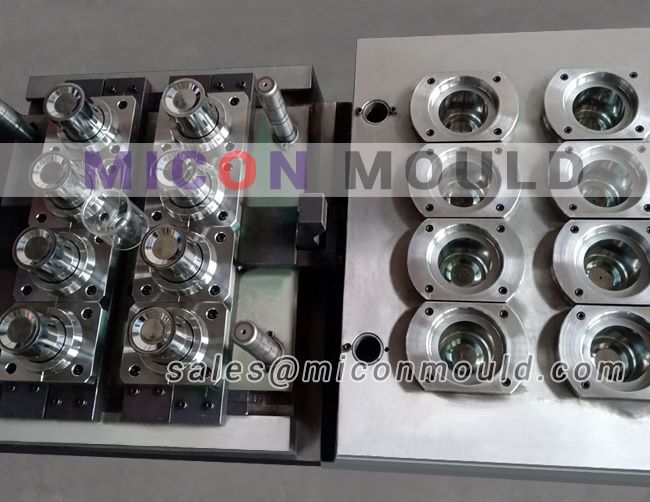
Medical plastic mold making
1. The core prerequisites for medical plastic mold making: material selection and compliance
The primary technical focus in medical plastic mold making is material selection, which must balance biosafety, mechanical properties, and industry compliance standards to eliminate clinical risks arising from material issues.
The choice of mold steel directly determines the mold's durability, polishing precision, and corrosion resistance, and must be tailored to the specific application of the product.
For mold components that come into direct contact with blood, medications, or human tissue, S136 stainless steel is the preferred choice. After solution treatment at 1050℃ and aging treatment at 450℃, its hardness can reach HRC45-48, meeting the ISO 10993-1 biocompatibility standard, and it can withstand 20 cycles of high-temperature sterilization at 121℃ without rusting.
2. Core Technologies for Medical Plastic Mold Making: Precision Design and Machining Process
A. Design Phase: CAE (Computer-Aided Engineering) mold flow analysis technology is required to simulate the melt flow state, optimize the runner layout and gate design, ensure the cavity pressure difference is ≤5MPa, and avoid defects such as weld lines and porosity. Differentiated design schemes are adopted for different types of medical products.
Disposable medical consumable molds emphasize multi-cavity designs. For example, syringe molds employ an 8-32 cavity structure, with a cavity spacing error ≤ ±0.03mm, ensuring that the inner diameter tolerance of each syringe barrel is ≤ ±0.02mm. Implantable consumable molds, such as artificial joint molds, utilize a five-axis linkage machining design, achieving a core positioning accuracy of ±0.001mm. In vitro diagnostic consumable molds, such as test strip molds, require strict control of cavity depth tolerance ≤ ±0.01mm, ensuring that the uniformity deviation of the test strip coating thickness is ≤5%.
B. Machining Process
The core components require precise machining using ultra-precision equipment: Cavity machining employs an ultra-precision grinding machine with a positioning accuracy of ±0.0005mm, ensuring the parting surface flatness is ≤0.002mm/m; For micro-structures such as the hollow cavities of cardiovascular stent molds, slow wire EDM is used, achieving a surface roughness Ra value of 0.08μm and a machining accuracy of ±0.001mm.
C. Mold assembly stage: The coaxiality of the guide pillars and guide sleeves is calibrated using a laser interferometer, with the error controlled within 0.001mm to avoid flash during injection molding.
Mold maintenance is a crucial step in extending mold life and ensuring mass production stability. A regular maintenance plan should be established: clean the mold cavity and ejector pins after each production run and apply anti-rust oil; after every 5,000 production runs, perform ultrasonic cleaning on the mold and retest its accuracy to prevent wear from causing dimensional deviations; regularly check the wear of the sliders and guide pillars. The lifespan of medical molds is usually controlled within 500,000 runs to avoid affecting product quality due to mold aging.