Mould Manufacturing Process
1. Mould Design
The design is 3D, basic mold design information will be present, such as mold size, gate way, parting line, ejection way, cavities layout, mechanical design etc. Depends on the complexity, a complete mold design would need 3-7 days. Some of the complex projects require mold flow analysis or frequent updates of custom design, it could take much more time.
Detailed drawing would help your company to do maintenance at your facility very easy as well, such as modification on mold or wearing parts changing.
2. Mould Steel Purchasing
Mould steel can be ordered immediately after design get confirm, if mould need hot runner system could take much longer time to get back, all of this procedure need to be track closely if you don’t want to cause any delay on next step.
3. Mould Rough Machining
The mould steel need first to be sized, milling, drilling, lather are the main process way to get the rough shape or the cavity / core. Normally 0.15-0.3 mm steel left for precision machining later.
4. Heat Treatment
After rough machining, internal stress would be created during machining, do heat treatment to get certain hardness and internal balance, such as H13, 2316, it usually need to be harden to HRC45-48, but some of the steel don’t need it, like P20 etc.
5. Mould Finish Machining
To get designed dimension, the CNC process of precision machining is much slower than rough machining, also the steel hardness is much higher.
.CNC 3 to 8 axis high speed milling, turning;
.CNC Grinding;
.Conventional and CNC machining centers;
.EDM machines;
.CNC programming with Computer Aided Manufacturing;
6. Finish and Fitting
After all the components are finished and prepared, mold maker collects them all and assemble them by following the design drawing. core or cavity need to be polisheing.
7. Mould Trial
Mould on the injection moulding machine to the trial. plastic parts and injection parameter send to customer.
What We Good at Mold Manufacturing

Commodity Mould
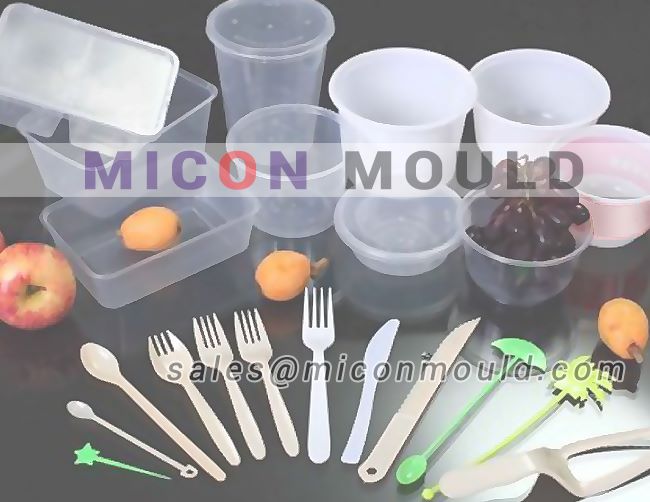
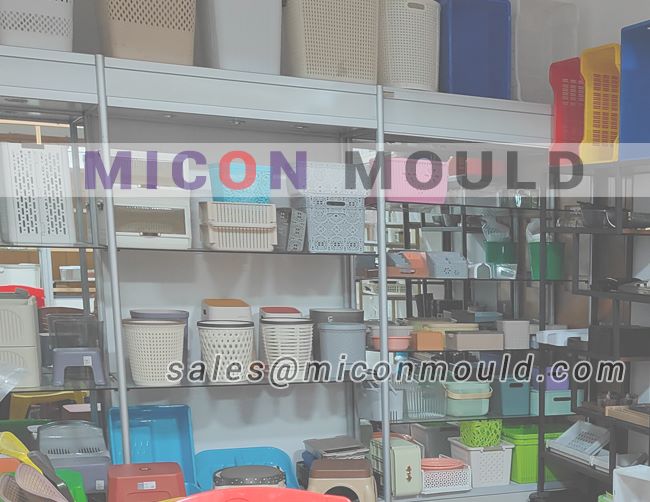
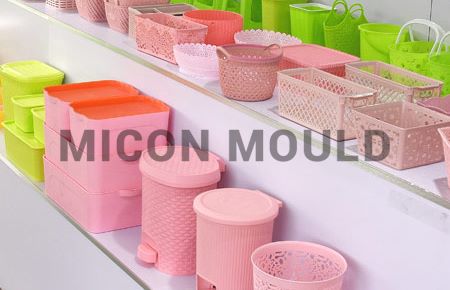
cutlery mould, houseware mould, sanitaryware mould, toy mould, garden mould, furniture mould
Learn More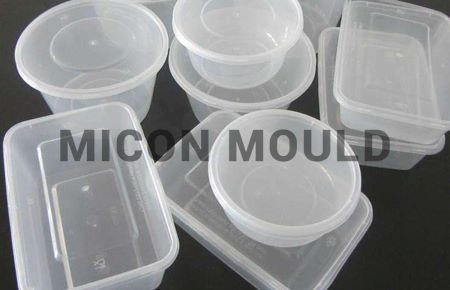

Thin Wall Mould
thin wall cup mold, thin wall bucket mold, thin wall container mold, ice cream container mold
Learn More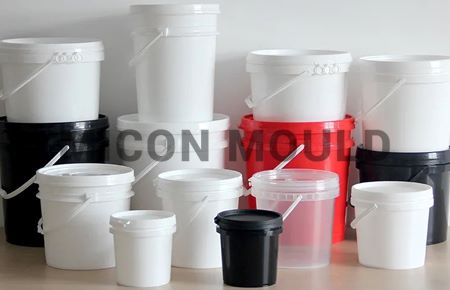

Bucket Mould
plastic bucket mould, paint bucket mould, pail mould, paint pail mould, thin wall bucket mould
Learn More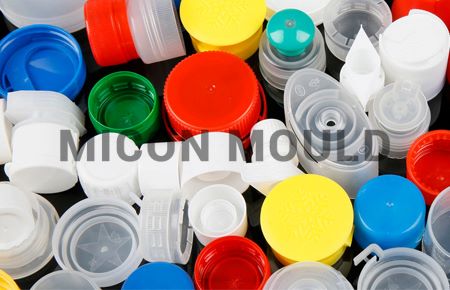

Cap Closure Mould
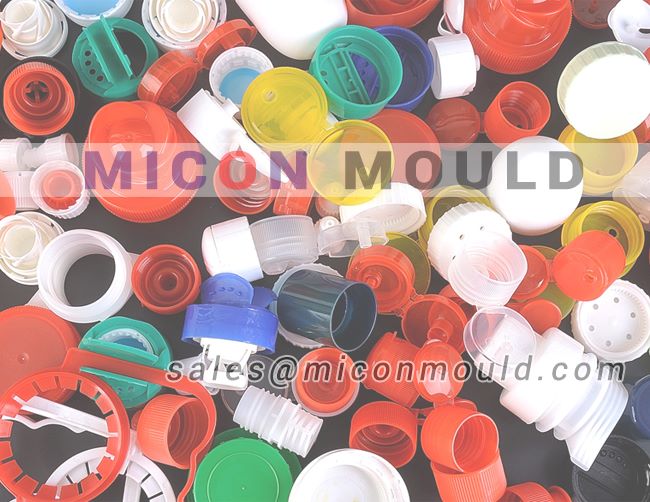
plastic cap mold, flip top cap mold, bottle cap mold, anti theft cap mold, cosmetic cap mold
Learn More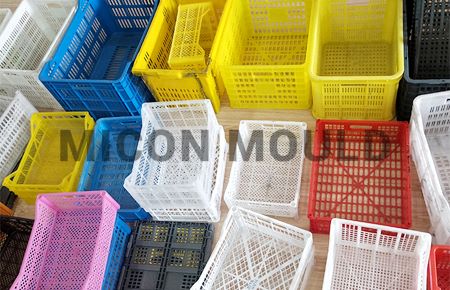

Crate Mould
plastic crate mold, beverage crate mold, beer crate mold, storage box mold, foldable crate mold
Learn More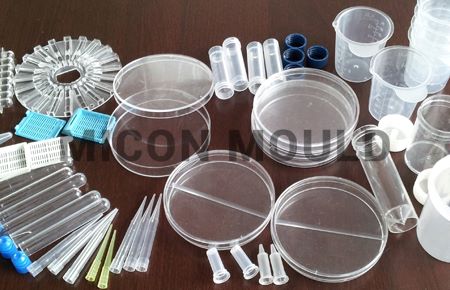

Medical Mould
medicine cup mold, urine cup mold, test tube mold, centrifuge tube mold, petri dish mold
Learn More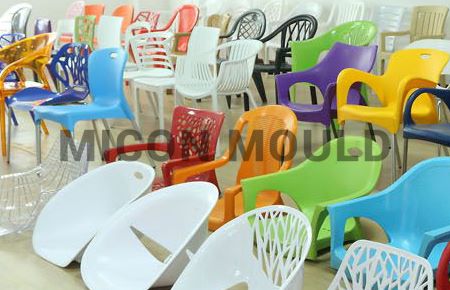

Chair Mould
plastic chair mold, plastic stool mold, rattan chair mold, baby chair mold, chair base mold
Learn More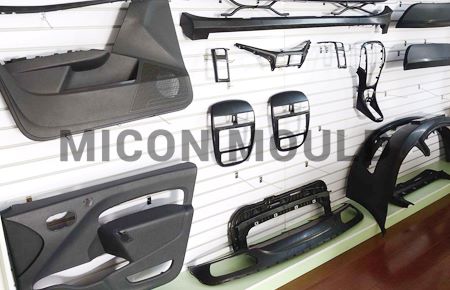

Auto Parts Mould
bumper mould, auto interior parts mould, auto radiator grill frame mould, car wheel cover mould
Learn MoreWhy Choose Our Mold Manufacturing Services?
An Experienced Team with Expertise
Advanced In-house Equipments
Competitive Prices in the Industry
One-To-One Collaboration & Proactive DFM
High Complexity Machining Capability
Industry-Leading Turnaround Times
Our team responds quickly to accommodate your needs.
Contact NowA Quick Guide to Designing and Mold Manufacturing
How to choose the appropriate mold material?
Common mold materials include steel, aluminum, copper alloy, etc. Steel molds are usually used for high production and high precision requirements, aluminum molds are suitable for small batch production and rapid prototyping, and copper alloy molds are used in situations where rapid heat dissipation is required. Consider the characteristics of the product material and choose the appropriate mold material and design.
How to set up the cooling system of the mold?
Design an effective cooling system to ensure uniform cooling of all parts of the mold and reduce the molding cycle time. The cooling pipeline should be as close to the mold cavity surface as possible, but it should not affect the mold strength. Water and oil are commonly used as cooling media. Choose the appropriate medium according to the mold material and product requirements.
How to set up the mold exhaust system?
Set up exhaust grooves in the mold design so that the air and gas in the mold can be discharged smoothly to avoid bubbles and burning on the product surface. The exhaust grooves should be set at the highest point of the product and the last filled position. For complex molds, exhaust holes and exhaust needles can be designed to assist exhaust.
Requirements for mold assembly and debugging
The various parts of the mold must be assembled accurately to avoid looseness or misalignment during use. After the mold is manufactured, a trial mold is carried out, and the mold design is optimized through multiple debugging to ensure that the produced parts meet the requirements. The surface treatment of the mold is also completed after the trial mold.